Production Date vs. Best-By Date on Food Packaging
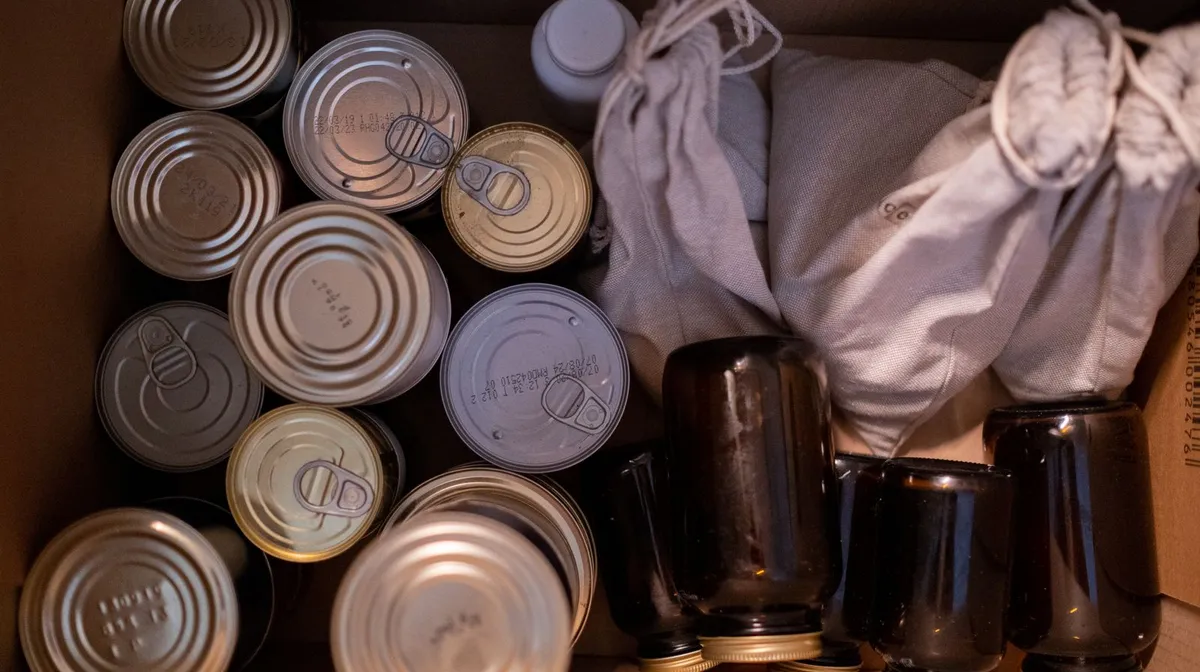
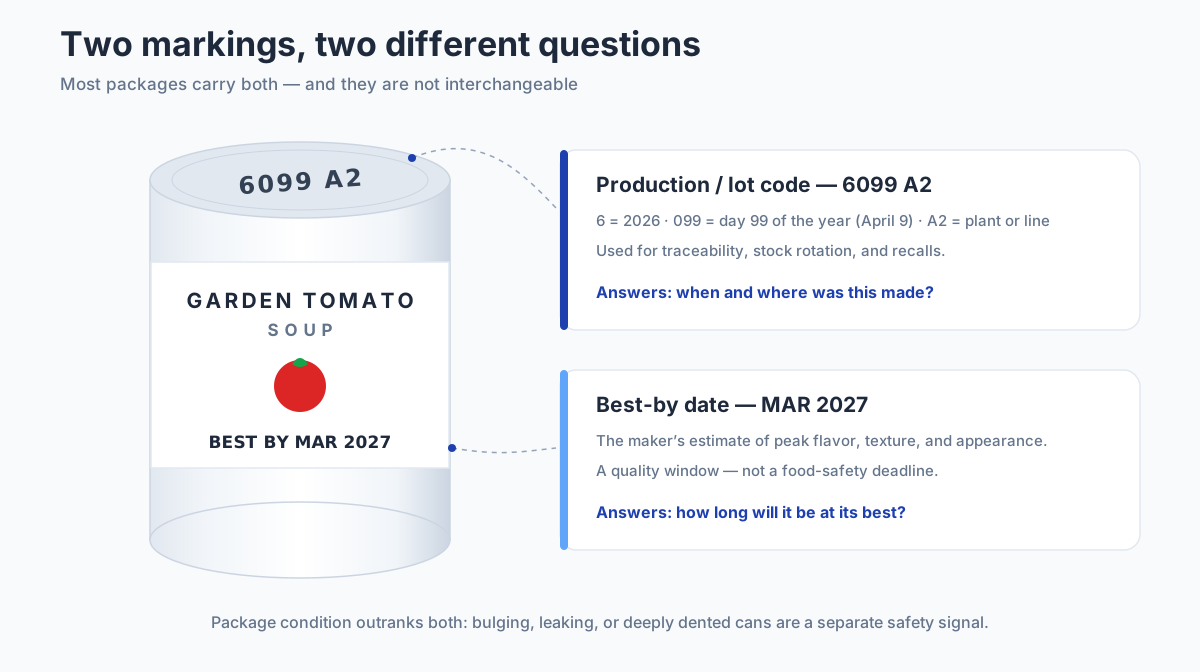
Many shoppers treat the short Julian-style code on a package as if it were an expiration date. In most cases, it is not. It is a production identifier that the manufacturer uses for traceability, inventory rotation, and recall control. The "is this still good?" question is usually answered by a different label entirely.
The Short Answer
A short numeric code usually answers "when was this made?" A best-by date answers "when does the maker think quality will still be at its best?" They are related, but they are not interchangeable — and neither one is a hard safety switch on a shelf-stable product.
What the Stamped Code Usually Means
On most packaged foods, the short numeric code is the production date or part of a broader lot code. It tells the manufacturer when the item was made or packed. In many systems the last three digits represent the day of year, while the rest of the code may identify the year, plant, shift, or line.
FDA's traceability guidance is useful here because it frames lot codes as identifiers used to link the food back to records. That is operationally different from a consumer quality statement such as "best if used by." If you want to translate a code into a calendar date, the converter and batch decoder do exactly that.
What a Best-By Date Means
A best-by or best if used by date is usually about quality, not instantaneous safety failure. It is the manufacturer's estimate of when flavor, texture, carbonation, or appearance will still meet expectations under normal storage.
That distinction matters most on shelf-stable products. A canned soup may be well past its best-quality window and still be a different situation from a swollen, leaking, or deeply dented can. Those are two separate questions, and only one of them is about packaging integrity.
Every Date Phrase on a Package, Decoded
USDA's food-labeling guidance makes a point most shoppers never hear: outside of infant formula, product dating is not required by federal regulation at all. The phrases below are manufacturer conventions, which is exactly why they vary so much from brand to brand.
| Label phrase | What it actually means | Who it is for |
|---|---|---|
| Packed on / production code | When the item was made or packed — often a Julian day like 6099 | The manufacturer and supply chain |
| Best if used by / best by | Peak flavor and quality estimate — not a safety date | Consumers |
| Use by | Last date of peak quality per the maker; only a safety deadline on infant formula | Consumers |
| Sell by | Stock-rotation guidance for the store — food is normally fine after it | Retailers |
| Freeze by | When to freeze to preserve peak quality | Consumers |
The Egg Carton Example: a Julian Date You Can Check Today
If you want to see a real ordinal date in your own kitchen, look at a carton of USDA-graded eggs. Cartons packed under USDA grading must display the pack date as a three-digit day of year: 001 is January 1 and 365 is December 31. A carton stamped 099 was packed on April 9.
USDA's guidance is that properly refrigerated eggs keep well for four to five weeks after the pack date. The three-digit number on a USDA-graded carton tells you the packing day, while a separate sell-by date serves a different purpose. Use the converter for a confirmed egg-carton pack date, and follow current storage and safety guidance rather than applying that interval to other foods.
How Long Shelf-Stable Foods Actually Keep
USDA FSIS publishes quality windows for unopened, properly stored canned goods, and they are longer than most people assume:
| Product type | Examples | Best quality window |
|---|---|---|
| High-acid canned goods | Tomatoes, citrus, pineapple, pickled items | 12–18 months |
| Low-acid canned goods | Meats, poultry, stews, soups, most vegetables | 2–5 years |
Those are quality windows, not cliff edges — and they assume an intact can stored in a cool, dry place. Storage conditions and packaging integrity matter more than the printed month.
What USDA Says About Shelf-Stable Foods
USDA FSIS guidance on shelf-stable food storage makes the point clearly: commercially canned foods do not have infinite quality life, and actual storage recommendations vary by acidity and product type. Low-acid canned goods are generally listed with multi-year quality windows, while high-acid canned goods are shorter.
That is a better framing than internet shorthand like "expired equals unsafe." Shelf-stable safety depends heavily on packaging integrity, storage conditions, and whether the product was truly shelf stable to begin with — not on a single date stamp read in isolation.
Why the Distinction Matters in Recalls
In a recall or outbreak investigation, the production code is the anchor. Retailers and distributors need to isolate affected lots precisely. A visible best-by date can help consumers, but lot-level traceability depends on the production identifier and the linked records behind it.
That is one reason Julian production codes persist: they are compact enough for packaging and structured enough for back-office filtering. The manufacturing guide covers how those codes are assigned and used across the supply chain.
How to Read a Package Without Overreacting
- Identify whether the marking is a production code, a plain-language best-by date, or both.
- Check packaging condition first: bulging, leaking, or deeply dented cans are a separate safety signal.
- For shelf-stable foods, treat the quality date and the lot code as different pieces of information.
- For refrigerated or short-life products, follow the manufacturer's handling and storage guidance, not just the Julian code.
Which Date Should You Trust?
A Julian-style package code is usually there to answer "when was this made?" A best-by label is there to answer "when does the maker think quality will still be at its best?" They are related, but they are not interchangeable — and a smart reading checks the package condition before trusting any single number.
To decode the production side of the label, use the batch decoder or the converter. To understand the broader supply-chain context, the manufacturing guide is the next step. For background on the formats themselves, see the Julian date formats guide.
Related Tools
Sources and further reading: USDA FSIS: Food Product Dating, USDA FSIS: Shelf-Stable Food Safety, and FDA: Traceability Lot Code.