Blog
Articles about time zones, daylight saving changes, date calculations, calendars, and the small details that make time-related tasks easier to get right.

Julian Date vs. JDN vs. MJD: Four Terms People Confuse
Ordinal day of year, Julian Day Number, Julian Date, and Modified Julian Date are four different ideas hidden behind one phrase. Here is how to tell them apart and which to use where.
Read more →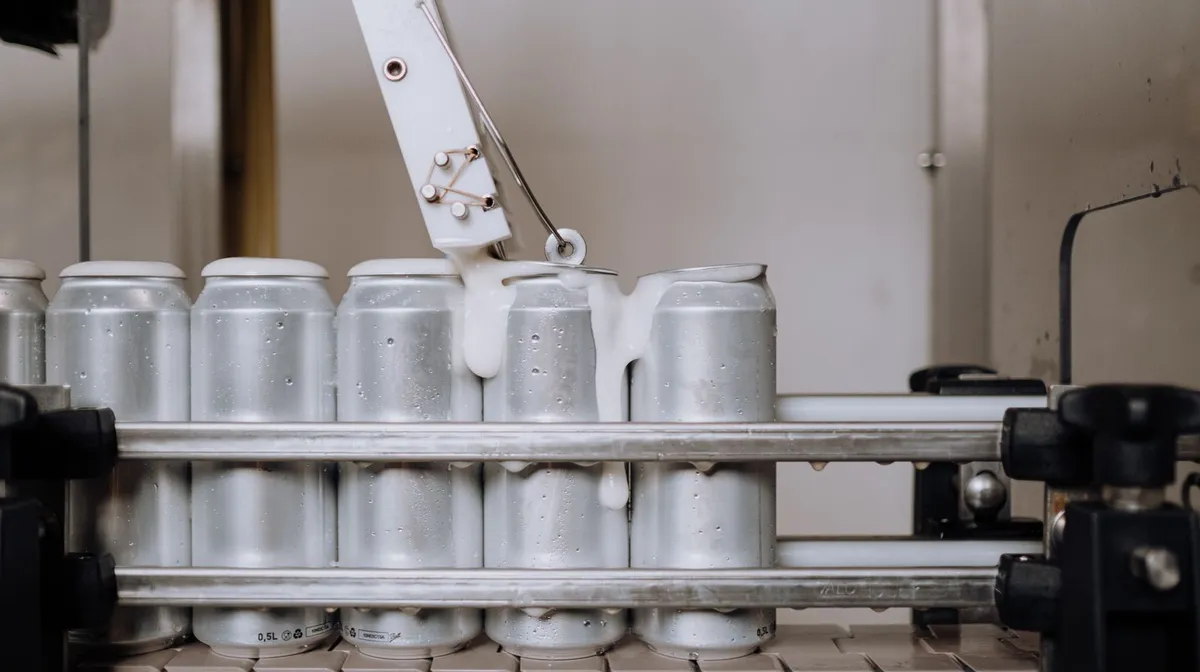
How Julian Dates Fit the FDA Food Traceability Rule
The FDA traceability rule is about lot identification and record linkage, not about forcing a Julian date onto every package. Here is where Julian production codes actually fit.
Read more →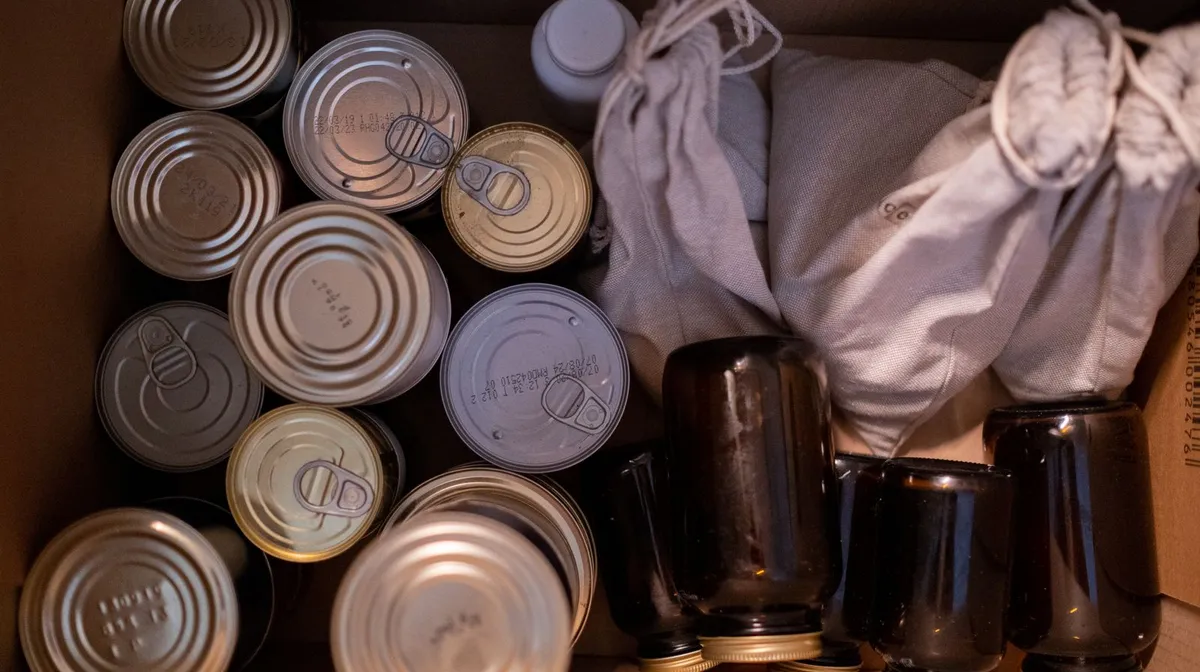
Production Date vs. Best-By Date on Food Packaging
The short Julian-style code on a package is usually a production identifier, not a safety deadline. Here is how to tell a production code from a best-by date and read both correctly.
Read more →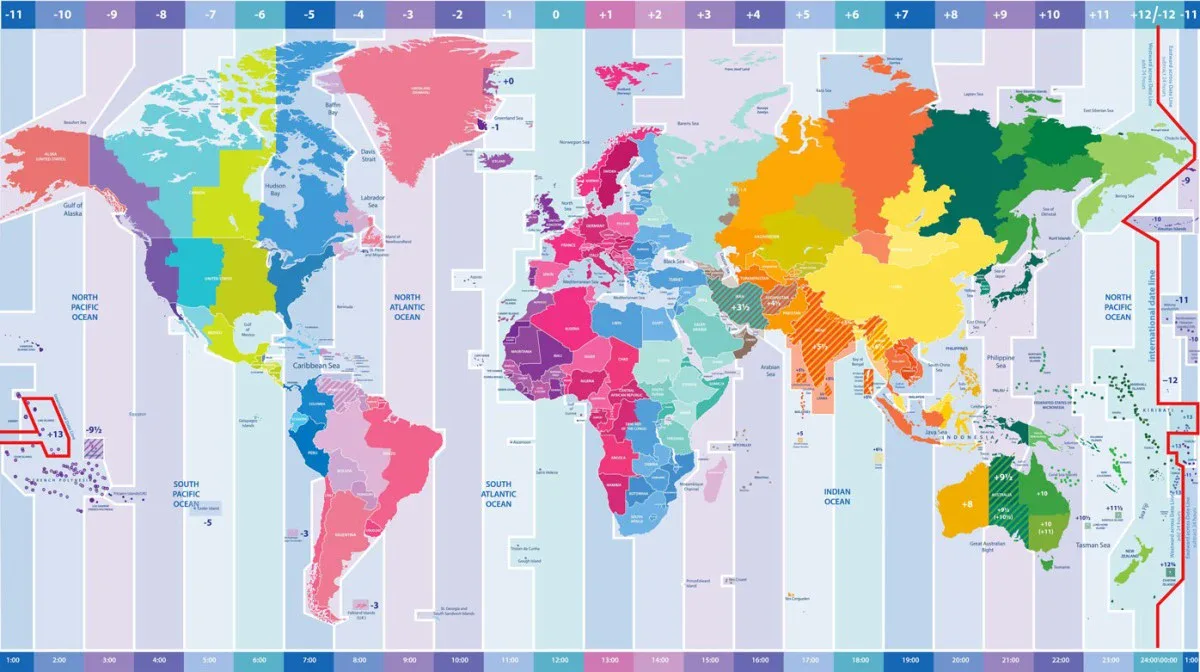
UTC vs GMT: What’s the Difference and Which Should You Use?
UTC and GMT often point to the same clock reading, but they are not the same idea. Learn the modern standard, the historical term, and when the distinction matters.
Read more →
Why Some Years Have 53 Weeks
Most years have 52 numbered weeks, but some ISO week years have 53. Here is why it happens, when it happens, and why it matters for planning and reporting.
Read more →
Why We Lose an Hour Every Year
The familiar lost hour comes from daylight saving time, but leap seconds and time-zone laws also affect clocks. Here is what changes and how to avoid mistakes.
Read more →What This Section Covers
The TodayDateTime.com blog focuses on practical questions people run into when working with dates and time. That includes daylight saving changes, time zone mistakes, calendar quirks, timestamp formats, and the kinds of edge cases that turn simple scheduling tasks into avoidable errors.
The goal is not to publish generic productivity advice. It is to explain how timekeeping actually works and how to avoid common mistakes when you need an answer that is clear, current, and easy to verify.